
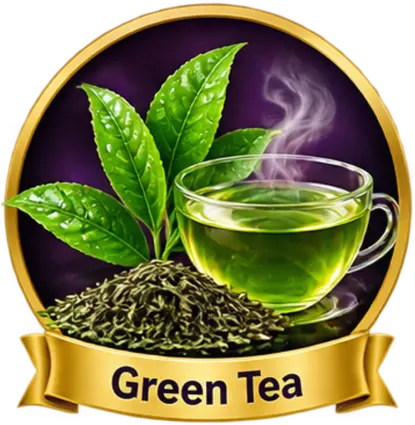
Green Tea
Rich in natural antioxidants such as catechins, green tea may support fat and calorie burning. It is also associated with cholesterol management, body detoxification, cancer prevention and anti-aging benefits.
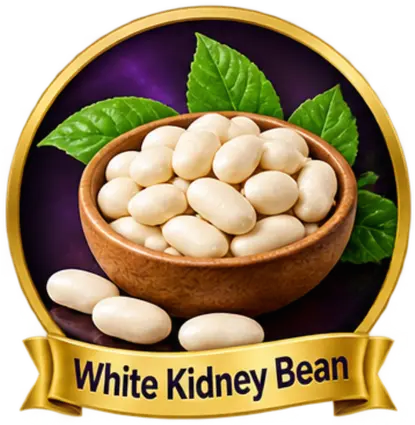
White Kidney Bean
White kidney bean helps inhibit fat production by limiting the conversion of excess sugar, starch and protein into fat, supporting the body's natural approach to weight and fat management.
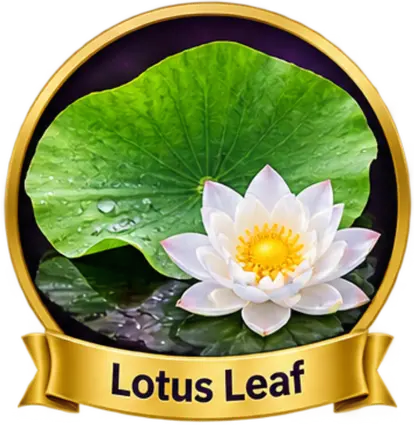
Lotus Leaf
Lotus leaf helps suppress appetite and promotes lipolysis, the natural process of breaking down stored fat into free fatty acids and glycerol, supporting a balanced approach to weight management.
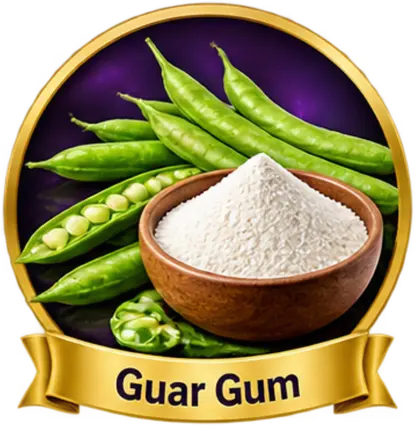
Guar Gum
Guar gum helps inhibit the synthesis of lipids and fatty acids while supporting lower levels of LDL cholesterol and triglycerides, contributing to healthier lipid management within the body.
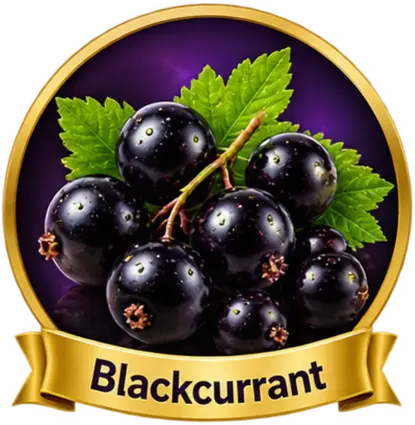
Blackcurrant
Blackcurrant functions as an antioxidant and may help protect skin cells against ultraviolet radiation. It has also been associated with protection against several forms of cancer affecting different organs.
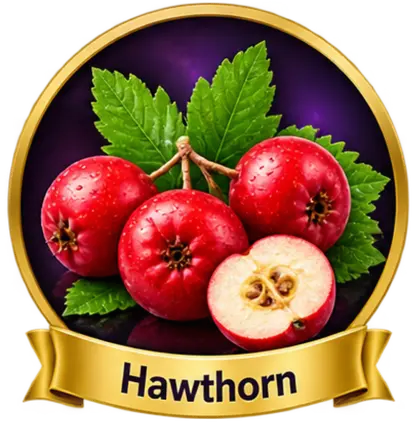
Hawthorn
Hawthorn helps regulate high and low blood pressure while supporting cardiovascular function. It may also assist weight management by breaking down cholesterol, reducing fat deposits and helping remove excess salt.
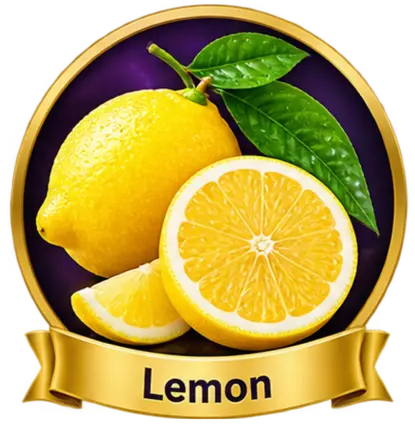
Lemon
Lemon provides antimicrobial properties and may help eliminate harmful bacteria in the intestinal tract. It also acts as an alkalinizing agent, helping to raise the body's general pH.
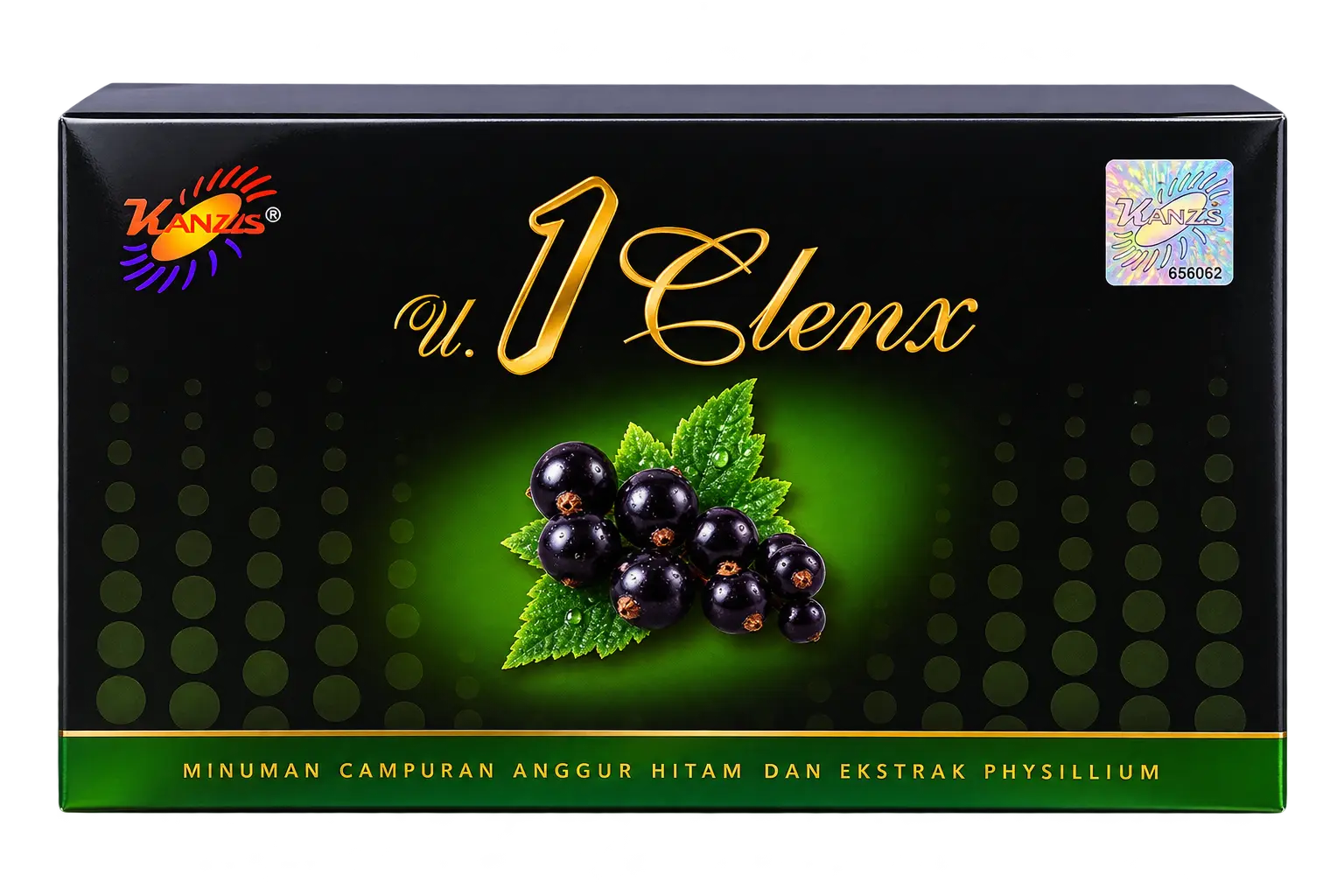
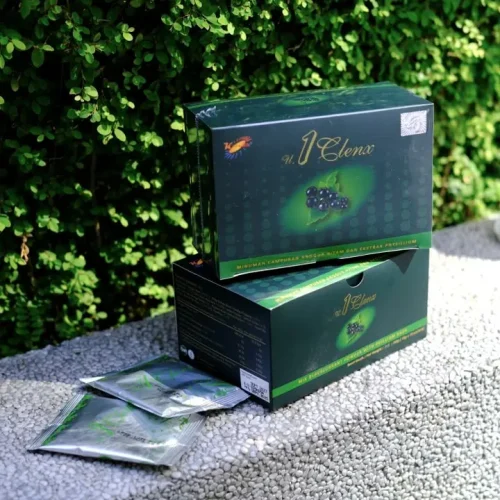
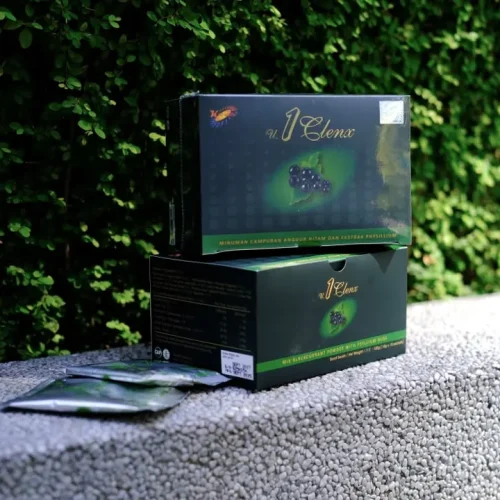
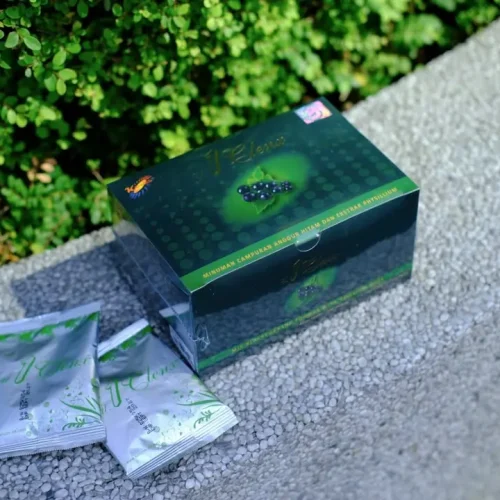
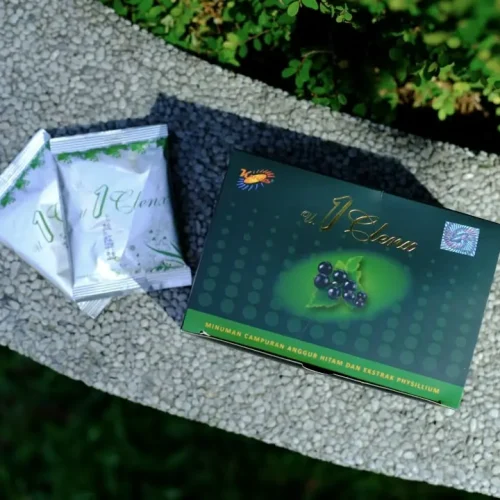


Weight Management

Metabolic Support

Digestive Wellness
